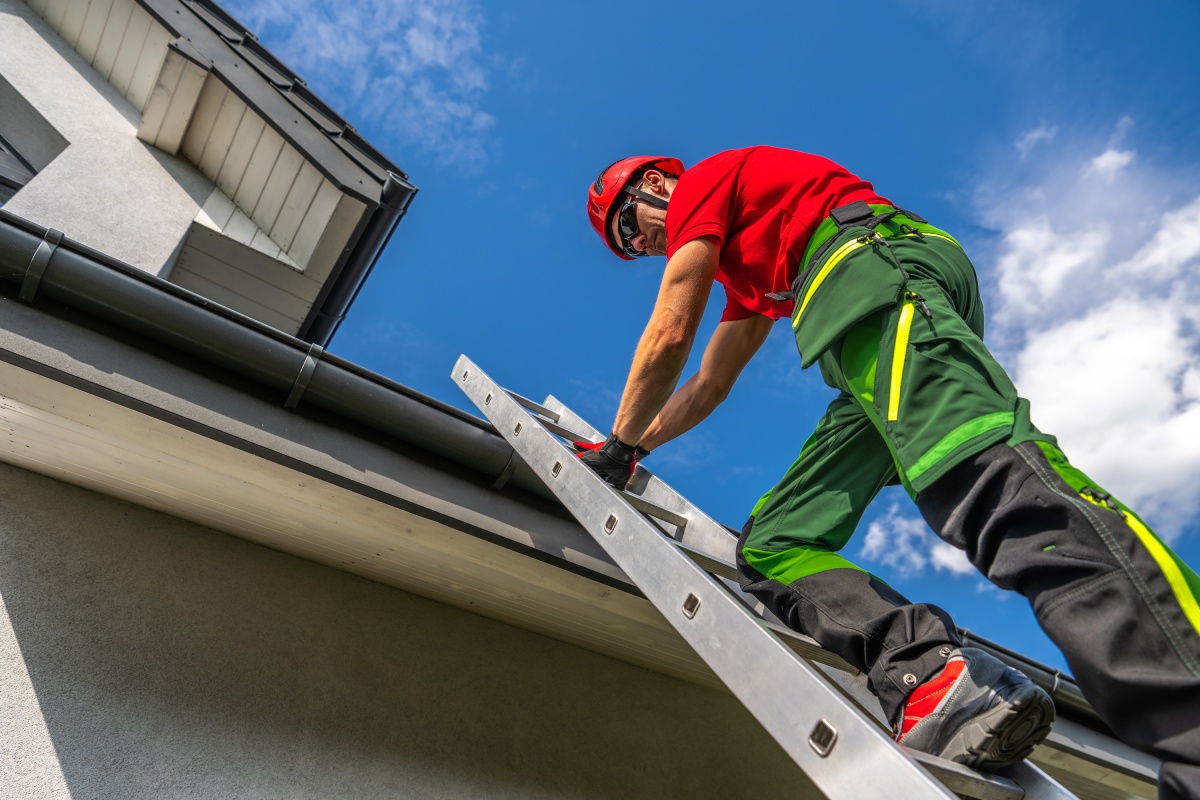
Standing Seam Metal Roofs: The Complete Guide for Commercial Property Owners

Summary

Forty to sixty years of reliable service life. That is what a properly installed standing seam metal roof can deliver on a commercial building in Northeast Florida, and it is a number that changes how the whole investment conversation goes. This guide covers how the system actually works, how the numbers compare to membrane alternatives when you look beyond the initial quote, and why Jacksonville commercial property owners are choosing metal at a rate that was not happening ten years ago.

Everything You Need to Know About Standing Seam Metal Roofing Before You Invest

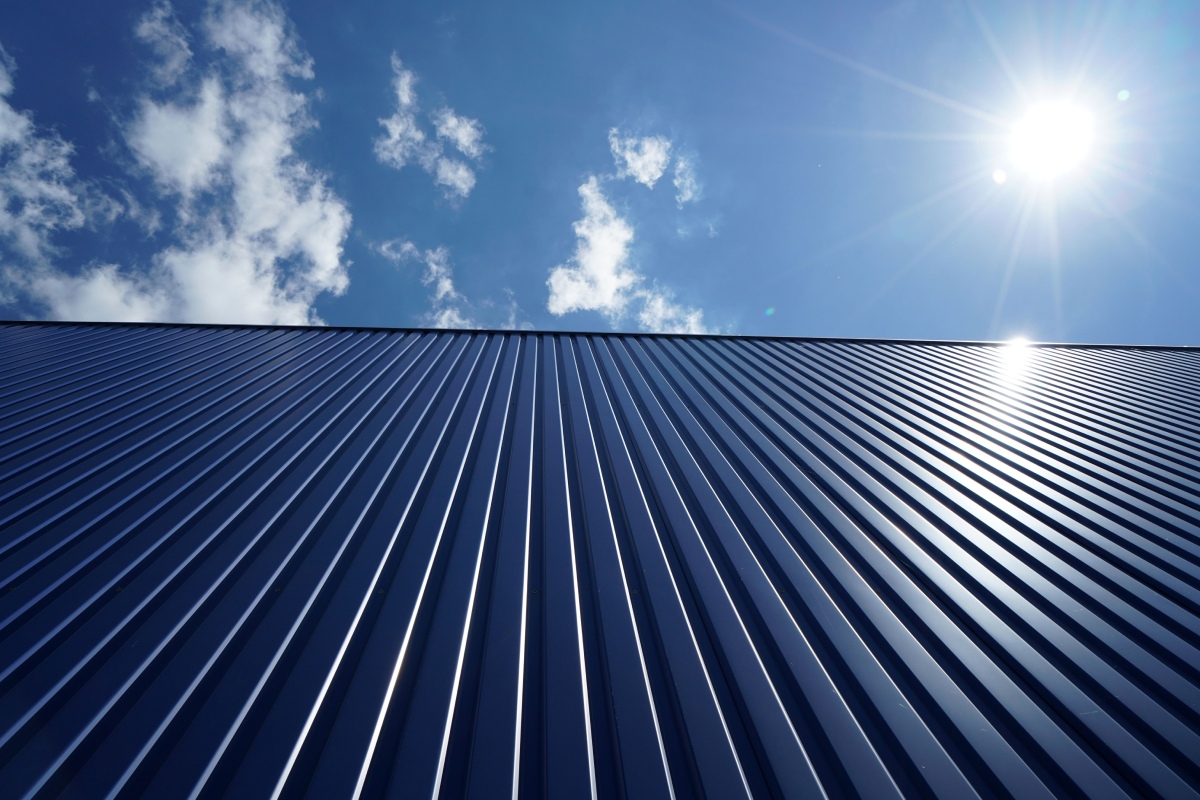
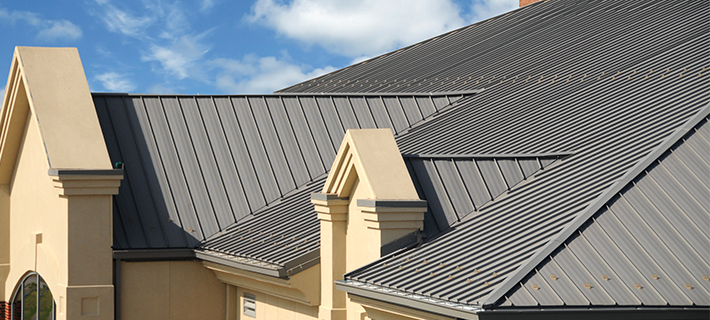
The name tells you something useful. Standing seam refers to those vertical ridges that run the length of each panel and lock together above the panel surface. That raised seam is doing real work. It sheds water away from any horizontal joint, and because the panels connect at the seam rather than through the face, there are no exposed fasteners on the panel surface at all.

Compare that to exposed-fastener metal roofing, where screws go directly through the panel. Every one of those screw penetrations has a rubber washer behind it. Over time, those washers compress, crack, dry out in Florida heat, and start letting water in. On a large commercial roof with thousands of fasteners, that is a lot of potential failure points working against you simultaneously. Standing seam eliminates that entire category of problem.

Panel material is where the coastal location question comes in. Galvalume-coated steel is the standard for most commercial applications in Florida, and it holds up well in most of the Jacksonville market. Get closer to the water, though, and the salt air calculus changes. Jacksonville Beach, Atlantic Beach, Fernandina Beach, areas where salt air is a daily reality rather than an occasional visitor, those are places where aluminum panels earn their premium. Aluminum does not rust. Period. Steel with even a compromised coating eventually will.

PVDF paint systems are the other piece of this. They are what keep a metal roof looking the way it looked when it was installed, not chalked out and faded five years later. Florida’s UV intensity is brutal on exterior coatings, and a cheap paint system on metal panels will show it. PVDF-finished panels are rated to hold color for decades, which matters both aesthetically and for the long-term integrity of the protective coating over the metal beneath.

Seam height is a spec detail that gets overlooked in a lot of commercial buying conversations. Taller seams perform better under the kind of wind-driven rain that Northeast Florida sees during hurricane season. The uplift forces that concentrate at panel edges during high-wind events are also better handled by taller seam profiles. If you are getting proposals for a standing seam system, ask specifically about seam height and what uplift rating the proposed system carries.

One thing that almost never comes up until it is too late: the insulation assembly under the panels. Standing seam metal is not self-insulating. The thermal performance of the whole roof system depends on what is below the panels, and a well-designed insulation assembly can meaningfully cut the HVAC load in a building that runs air conditioning eleven months a year. Do not let that conversation get skipped in the design phase.

In-house sheet metal fabrication is worth asking about when you are evaluating contractors. Flashings, coping, edge metal, and drainage transitions that are custom-fabricated for your specific building fit differently than stock components. Tighter fits mean fewer long-term vulnerabilities at the details, and the details are where most metal roof problems eventually originate.

  • No exposed fasteners on the panel surface means no washer-failure leak risk over time
  • Aluminum panels are the right call for buildings with sustained salt air exposure along the coast
  • PVDF finish systems hold color and protect the underlying metal through decades of Florida UV
  • Seam height affects both water-shedding and wind uplift performance, ask for the rated spec
  • The insulation assembly under the panels controls thermal performance, not the metal itself
Panel MaterialBest ApplicationCorrosion ResistanceTypical Life Expectancy
Galvalume SteelInland commercial buildingsHigh (Galvalume coating)40-60 years
AluminumCoastal and high-humidity sitesExcellent (no rust)40-60 years
CopperSpecialty or historic projectsExceptional (self-healing)80+ years
Painted Steel (PVDF)Standard commercial applicationsHigh with quality finish40-50 years

How Standing Seam Metal Roofing Compares to Other Commercial Systems in Cost and Performance

Yes, standing seam costs more upfront than TPO or EPDM. That is just true. The question worth asking is what you are actually comparing when you look at those two numbers side by side.

A quality single-ply membrane system, installed correctly and maintained, gets you somewhere between fifteen and twenty-five years of service life. A standing seam metal roof on a building with compatible slope typically runs forty to sixty. So the property owner who puts metal on today and holds the building for thirty years is buying one roof. The one who goes with TPO is buying two, possibly three, each with its own tear-off cost, disposal cost, installation cost, and the business disruption that comes with a full roof replacement. Do that math with real numbers and the upfront premium on metal looks different.

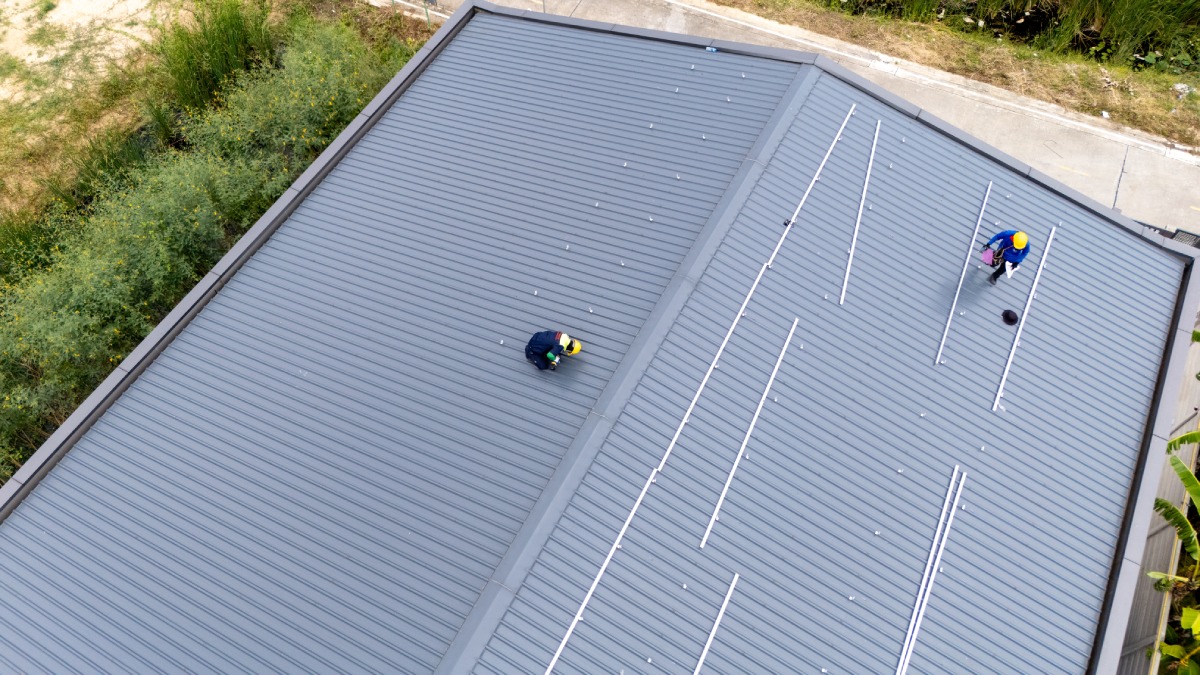
Ongoing maintenance costs are not the same either. Single-ply systems have seam vulnerabilities, they pick up punctures from rooftop foot traffic, and Florida’s UV environment degrades membrane surfaces faster than in northern climates. Metal panels that are properly installed and detailed correctly have a short list of maintenance concerns: keep the drains and gutters clear, inspect the flashings once a year, and address any sealant deterioration at penetrations before it becomes a leak. That is it for most buildings.

Wind performance is worth a separate discussion because this is Northeast Florida and wind is not theoretical. Standing seam systems tested to FM or UL uplift ratings are engineered to hold against specific wind loads. The concealed clip attachment actually works in the system’s favor here: the clips allow the panels to move thermally without stressing the weather seal, and that movement tolerance also helps under dynamic wind pressure. Single-ply systems with adhesive or mechanically fastened perimeters tend to be more vulnerable at the edges, which is exactly where uplift concentrates.

Energy performance adds another line to the ledger. Light-finish PVDF panels reflect solar radiation rather than absorbing it. In a building that runs air conditioning from March through November, the difference between a reflective metal roof and a dark membrane absorbing heat all day is measurable in the utility bills. Not dramatic on a monthly basis, but real, and it compounds over the decades a metal roof is in service.

  • One metal roof installation often covers the same period as two or three single-ply replacement cycles
  • Maintenance requirements for metal are fewer and more predictable than for membrane systems
  • FM and UL uplift ratings on standing seam systems provide documented wind resistance performance
  • Reflective PVDF finishes reduce solar heat gain in buildings that run cooling most of the year

Why More Commercial Properties Are Upgrading to Standing Seam Metal Roof Systems

Something has shifted in how Northeast Florida commercial property owners are thinking about roofing decisions, and it is showing up in the volume of standing seam upgrades happening across the Jacksonville market. A few things are driving it at once.

Insurance is the one that surprises people the most. Some Florida commercial property carriers are now offering lower premiums on buildings with rated metal roofing systems. Others have started declining renewals on properties with older single-ply roofs in certain wind-exposure zones. Property owners who have been on the receiving end of those conversations are running the actual math, and what they find is that the annual premium savings, taken over fifteen or twenty years, can put a meaningful dent in the cost difference between metal and membrane. A few find it closes the gap entirely.

The aesthetics argument has gotten stronger as the product has evolved. Metal roofing in the commercial market used to mean limited choices. Corrugated profiles, a handful of colors, industrial look whether you wanted it or not. That is not what the category looks like today. Modern standing seam systems come in enough panel widths, seam heights, and PVDF color options that architects are specifying them on retail centers and restaurant buildings where the roof is visible from the street and appearance is part of the brand presentation. Tenant attraction and retention respond to that.

Restaurant and hospitality buildings deserve a specific mention because they are a special case. Rooftop grease exposure from kitchen exhaust systems, the constant access for HVAC service, the vibration from mechanical equipment, these are conditions that eat certain membrane systems alive over time. A standing seam roof detailed properly at every penetration and curb flashing handles that environment in ways that most flat-roof alternatives do not.

Contractor availability matters here too, and it did not always. The reason some commercial property owners avoided metal in the past was not the system, it was finding a local contractor who actually knew how to install it and had the fabrication capability to do the details correctly. That has changed in Jacksonville. Certified local contractors with in-house sheet metal fabrication are doing this work, which means the installation quality that makes a metal roof a fifty-year investment is actually accessible. A standing seam system installed by someone without the right experience and tooling is a different conversation entirely.

  • Florida insurance carriers are linking premium pricing to roof system type, metal increasingly comes out ahead
  • Modern panel profiles and color options make standing seam viable for retail and restaurant buildings
  • Restaurant and hospitality roofs face grease, vibration, and high access demands that favor metal

Frequently Asked Questions

Is standing seam metal roofing suitable for flat or low-slope commercial buildings?

Not for genuinely flat roofs. Standing seam panels need slope to drain, and most manufacturer guidelines put the minimum at 1:12. Below that, you are in single-ply membrane territory, TPO, EPDM, PVC. The system match depends entirely on what the roof’s actual pitch is, which a qualified contractor should measure and verify before any recommendation gets made. Do not accept a proposal for metal on a low-slope roof without seeing the slope documentation first.

How long does a standing seam metal roof last on a commercial building in Florida?

Forty to sixty years is the honest range for a properly installed system. What pushes a roof toward the low end of that range is usually the details: compromised flashing at penetrations, drainage that was never maintained, sealant that dried out and was not addressed. The panel material itself, especially aluminum in coastal locations, is rarely the failure point. It is almost always the transitions and terminations that determine how long a metal roof actually performs.

Can a metal roof be installed over an existing commercial roofing system?

Sometimes, yes. A recover involves building a subframing system over the existing roof and attaching the new metal panels to that structure. It skips the tear-off entirely, which cuts cost and keeps the existing membrane and insulation out of a landfill. Whether it is viable on your specific building depends on what the structural deck can carry, the condition of what is already up there, and what the local building department requires for recover installations. Needs a professional assessment before it goes on the proposal.

What is the difference between standing seam and exposed-fastener metal roofing for commercial buildings?

The fastener location is the whole difference, and it matters a lot over time. Standing seam panels clip together at the raised seam, with no penetrations through the panel face. Exposed-fastener systems screw through the panel directly, and each of those screw holes has a rubber washer that will eventually fail. On a commercial roof with thousands of fasteners, that failure process is not a question of whether, it is when. For a building you are counting on to perform for decades, standing seam is the better answer.

How does standing seam metal roofing perform during hurricanes and tropical storms in Northeast Florida?

Well, when it is installed correctly and carries documented uplift ratings. The FM and UL testing processes put metal systems through simulated wind loads, and a system with those ratings has been verified against specific pressure thresholds. The concealed clip design helps during high-wind events because it lets panels flex slightly under load without breaking the seal, and taller seams resist wind-driven water better at the edges where uplift concentrates. The installation quality matters enormously here. The same panel system installed by an experienced certified contractor versus an inexperienced one performs very differently under storm conditions.

How to Choose a Commercial Roofing Contractor: What Jacksonville Businesses Need to Know

Most property owners in Jacksonville figure out they hired the wrong roofing contractor at the worst possible time. A leak shows up, a warranty claim gets denied, or a repair fails inside eighteen months and suddenly the original savings look a lot smaller. Getting this decision right the first time is not complicated, but it does require asking questions that most people skip. This article covers what those questions are and why they matter specifically in the Northeast Florida market.

The Top Qualities to Look for Before You Sign with a Commercial Roofing Company

Commercial roofing is its own discipline. That sounds obvious but it gets ignored constantly. A contractor who does solid residential work and wants to grow into commercial is not the same thing as a contractor who has spent years working on TPO membranes, metal standing seam, modified bitumen, and the drainage engineering that keeps flat and low-slope roofs from turning into retention ponds. The gap between the two is real and it shows up in the work.

Florida law requires a state license for commercial roofing. Ask for the number and look it up yourself at the DBPR website. That takes maybe ninety seconds and tells you whether the license is active and whether it actually covers the type of work you need done. Do not accept a photocopy. Look it up.

Beyond the license, get a certificate of insurance for both general liability and workers’ comp. And get it from the insurer, not from the contractor. If a worker goes down on your property and the contractor is running people as independent contractors with no workers’ comp coverage, your property could end up in the middle of that problem. It happens.

Ask whether they use their own crews or whether they broker the work to subs. This question makes some contractors uncomfortable, which is useful information. A company that dispatches its own trained people is accountable for what those people do. A broker hands your job to whoever is available and available to them that week. Quality control becomes a phone call instead of a direct management decision.

Then there is the question of whether their experience matches your actual roof. A contractor with deep TPO experience quoting a standing seam metal job is not the same as a contractor who has done that work for years. Ask specifically. If the answer is vague, that is your answer.

One thing that does not get enough attention: how fast do they respond to a call or email before they have your business? That behavior does not improve after the contract is signed. If anything, it gets slower. Pay attention to it.

  • Look up the Florida commercial roofing license yourself through DBPR before any contract is signed
  • Get the insurance certificate directly from the carrier, not from the contractor
  • Find out whether the company uses its own crews or subcontracts the actual work
  • Ask specifically about experience with the roofing system on your building
  • Track how long it takes them to respond during the proposal stage
QualityWhy It MattersHow to Verify
State LicensureLegal requirement for commercial roofing in FloridaRequest license number, verify on DBPR website
Insurance CoverageProtects your property from liability exposureRequest certificate of insurance directly from carrier
Own Crews (No Brokering)Ensures accountability and consistent qualityAsk directly during the proposal meeting
System-Specific ExperienceDifferent membranes require different expertiseRequest references for your specific system type
Communication SpeedPredicts how disputes and emergencies will be handledTime their response during the proposal stage

Certifications, References, and Red Flags: A Property Manager’s Hiring Checklist

When a roofing manufacturer like Duro-Last, GAF, Carlisle, or Firestone certifies a contractor, they are not handing out a participation award. Certification requires specific training, demonstrated installation competency, and in some cases minimum annual volume thresholds. The reason it matters to you is straightforward: the warranty you expect to receive after your roof is installed may not legally exist if the contractor who did the work is not certified by that manufacturer.

This is a detail that catches property owners off guard more often than it should. They see the brand name on the material, they see a professional-looking proposal, and they assume the warranty is just part of the package. It is not. The warranty is tied specifically to certified installation. Use an uncertified contractor and you have a roof with no manufacturer backing, regardless of how good it looks when the crew leaves.

References are worth a real conversation, not a quick email exchange. Ask for people you can actually call, from projects completed in the last two years, on buildings that are at least comparable to yours in size and use. When you get them on the phone, skip the general questions. Ask whether the final invoice matched the original proposal. Ask what happened when something unexpected came up on the job. Ask whether they would hire the same contractor again. Those three questions surface more than anything else.

Some patterns signal trouble before a single nail goes into your roof. A contractor who shows up unsolicited two days after a storm and needs an answer this week. A bid that comes in well below the others with no explanation. A proposal that is so light on specifics that you could not prove in court what was actually agreed to. A request for a large cash payment upfront. Any one of those should slow you down. More than one in the same proposal should end it.

Get every detail in writing. That means materials, scope, timeline, payment terms, and specifically how change orders get handled. A contractor who objects to putting specifics on paper is not being casual. They are leaving themselves room.

  • Match the contractor’s manufacturer certifications to the specific system on your building
  • Call at least two references from comparable projects finished in the last 24 months
  • Get a fully itemized written proposal before any discussion about price adjustments
  • Treat unsolicited post-storm contact, large upfront payment requests, and vague scopes as real warning signs
  • Require written procedures for change orders and dispute resolution

Local vs. National Roofing Contractors: Why Jacksonville Businesses Should Think Local

A national roofing company can produce a very professional proposal packet. Good graphics, clear branding, maybe some corporate case studies from properties in other markets. What tends to be missing from that packet is any meaningful familiarity with what commercial roofing in Northeast Florida actually requires, which is different from what it requires in Dallas or Cincinnati or Portland.

Salt air corrosion along the coast. The way a sustained tropical rain event in August can expose every drainage weakness a roof has been hiding. Building code interpretations that vary between Jacksonville proper, the beaches, St. Johns County, and the surrounding municipalities. These are things a company learns by doing the work here, over many years, on many buildings. They are not things you pick up from a regional operations manual.

Local inspectors are a real factor too. Commercial roofing replacements require permits, and the speed of that permitting process depends in part on whether the contractor calling the building department is a known entity or a stranger. A contractor with years of established relationships in Duval County moves through that process differently than an out-of-market company working a jurisdiction for the first time. The difference can add days or longer to a project, and when a building is mid-replacement and a front is moving in, those days matter.

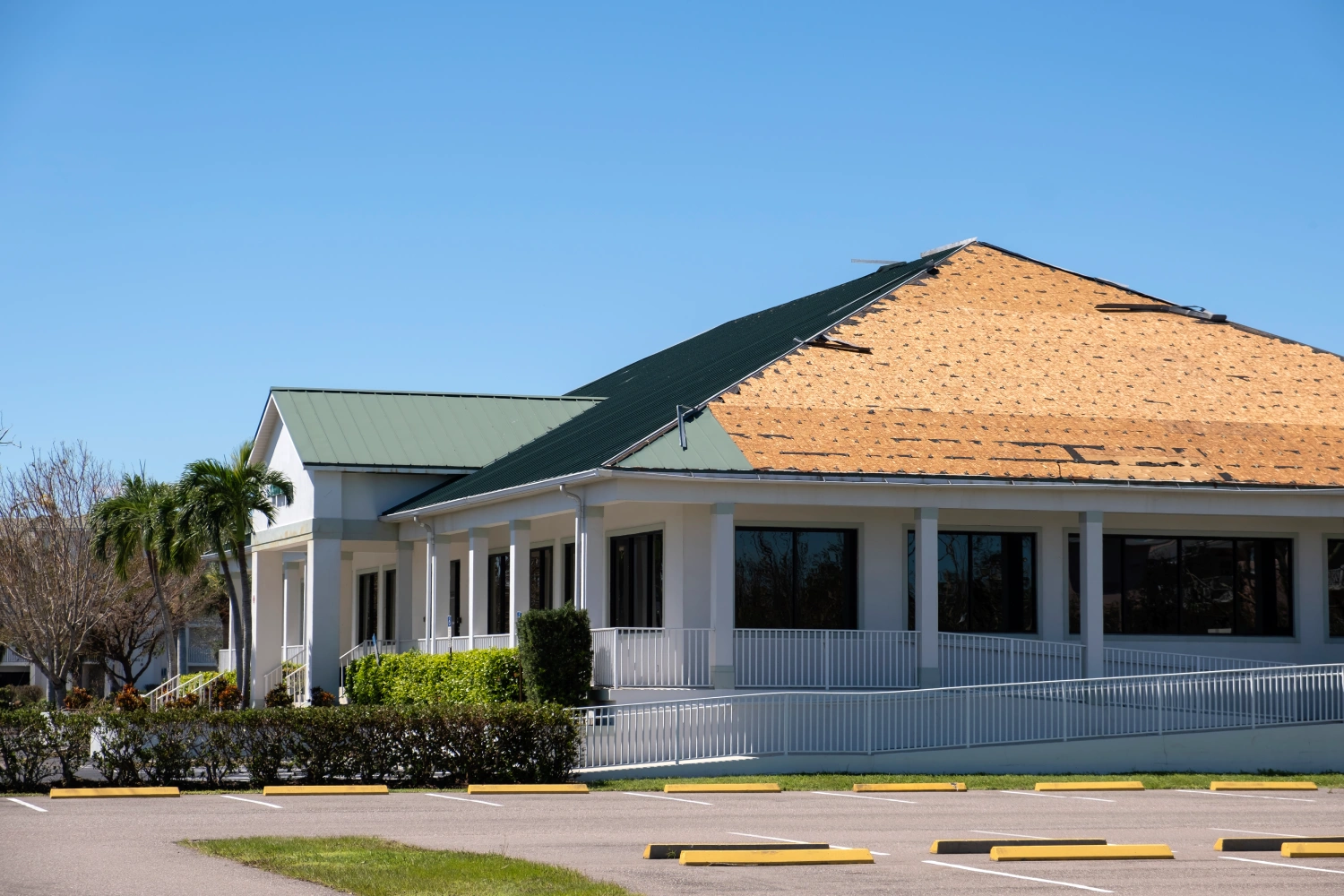
Think about the post-storm scenario. Something hits overnight. You are on the roof at first light and the damage is significant. You need someone on-site, not a regional coordinator trying to source labor from wherever they can find it on a weekend after a weather event when every roofing company in a hundred miles is already slammed. A Jacksonville company with its own crews answers that call differently than one that needs to figure out logistics before it can even give you a timeline.

There is also just the basic fact of community accountability. A company whose owner grew up here, whose crews live here, whose business reputation is built entirely on what the local commercial property community thinks of them, has a different relationship to the quality of their work than a brand managing hundreds of markets from a corporate office somewhere else. That dynamic is hard to quantify, but experienced property managers feel the difference.

  • Northeast Florida roofing conditions, coastal exposure and storm patterns, require contractor experience specific to this market
  • Established Duval County inspector relationships cut permitting timelines that out-of-market contractors stretch
  • Local crews with their own labor can respond to storm emergencies in hours rather than days
  • Community-rooted contractors carry reputational accountability that national operations do not face the same way

Frequently Asked Questions

How do I verify a commercial roofing contractor’s license in Florida?

Go to the Florida Department of Business and Professional Regulation website and run the search yourself using the contractor’s name or license number. You will see whether the license is current, active, and covers the scope of work you are hiring for. Do not rely on a copy the contractor hands you. The online lookup takes ninety seconds and removes any ambiguity.

What manufacturer certifications should a commercial roofing contractor have in Jacksonville?

It depends on what system is on your building. The certifications that come up most often in Northeast Florida commercial work are Duro-Last, GAF, Carlisle, and Firestone. If you have a Duro-Last roof and you want repairs or a replacement to carry the manufacturer warranty, the contractor doing that work has to be a Duro-Last Verified Contractor. Someone without that designation doing the work means no warranty, full stop, even if the installation looks correct.

Why does it matter whether a roofing company uses its own crews or subcontractors?

When your job gets passed to a subcontractor, the company you hired is no longer the company doing the work. If something goes wrong, you are now waiting on two parties to sort out between themselves who is responsible. A contractor running its own crews has no one to pass that question to. They are accountable for the outcome directly. It also means they can actually make real-time decisions about where their people go, which matters a lot when you need someone on your roof urgently.

How many references should I check before hiring a commercial roofing contractor?

Two is the minimum worth taking seriously. Three or four is better. What matters more than the number is what you ask. Did the job finish on budget? When something unexpected came up, what did the contractor actually do? Would you hire them again, knowing now what you did not know going in? References who only tell you the roof looks great are not giving you useful information. You need to know how the contractor behaves when things get difficult.

What are the most common red flags when vetting commercial roofing bids in Jacksonville?

Unsolicited contact right after a storm paired with urgency to sign quickly. A bid that is noticeably cheaper than everything else with no explanation for why. A proposal that is vague on materials, scope, and timeline. A request for a large payment before work starts. Reluctance to provide license numbers or insurance certificates when asked. A legitimate commercial roofing contractor does not have issues with any of those questions. The ones who do are usually the ones who need you not to look too closely.

Why Is Building Maintenance So Important?

If you want to keep your commercial property in the best condition possible, proper building maintenance is key. By halting deterioration and preventing the need for major repairs, you can reduce the chance that your property will lose value over time. 

Additionally, maintaining the premises of your business can help protect both clients and employees. Keeping your business environment a clean, safe, and healthy space boosts employee morale and projects a professional image for your customers.

Still wondering whether building maintenance is worth the investment? Read below for details about why these types of services are crucial for any business.

Risks of Forgoing Proper Building Maintenance

When you forgo maintenance on your facility, you run a number of risks. Here are some that you should keep in mind:

  • Exposure to the elements. Your building is invariably exposed to sun, wind, and rain on a regular basis. You may not notice any negative changes as a result of these natural elements from day to day, but they can have a significant weathering effect on your building over time. At some point, your facility will show signs of wear and deterioration that could have been prevented with regular maintenance.
  • Dangers to the building’s inhabitants. Safety is also a major issue that comes into play when buildings are not regularly maintained. Loose tiles, cracked concrete, and leaky ceilings may all seem like minor issues, but they can actually put the health and safety of your employees and customers at risk.
  • Expensive emergency repairs. Emergency repairs can be incredibly expensive, especially relative to the cost of periodic maintenance. While it may seem like you’re saving money by forgoing building maintenance, the truth is that you’re simply postponing, and likely exponentially increasing, inevitable costs.

Benefits of Scheduling Regular Building Maintenance 

Avoid the risks above by planning ahead to have your commercial property maintained on a regular basis. Here are some of the benefits your business will experience as a result:

  • A better brand image. If you have the opportunity to influence how your customers perceive your brand, why would you waste your chance to project a professional image? Keeping your building in excellent shape reflects good management skills, preparedness, and reliability, increasing the chances your business will leave a positive first impression on customers and potential employees.
  • Prevention of larger problems. By taking the initiative to invest in the upkeep of your building, you can catch minor problems before they turn into major issues. Although you may not be able to completely prevent emergency situations from happening, you will significantly reduce the likelihood of costly emergency repairs.
  • Protection of your assets. You’ve invested a lot in your business, and it’s important to take the measures needed to protect your investment. Maintenance services help preserve the value of your building and can prevent premature depreciation.

How to Get Started with a Building Maintenance Service

Partnering with a facilities management company can help ensure you’ve covered all of your bases when it comes to maintaining the premises of your business. The company you choose can organize regular inspections according to your budget and provide the maintenance services necessary to fix any issues that arise. 

Most importantly, a building maintenance company will have the resources required to take a long-term, comprehensive approach to maintaining your business facility so you can enjoy all of the benefits of investing in regular maintenance.

If you’re looking for a building maintenance service you can rely on to keep your commercial property in top condition, turn to AMW Contracting today. Contact our office at 904-725-4197 to learn more about what we offer.  

A Roof Replacement Service You Can Trust

At AMW Contracting, we understand how frustrating it can be to realize that the roof of your commercial property has a leak, requires some kind of repair, or is in need of replacement altogether. You may wonder how the repairs could disrupt your day-to-day operations, what the impact will be on your budget, and how you can find a roof replacement service you can trust to get the job done right.

Our mission is to deliver efficient and effective services that allow you to get back to business as quickly as possible. You can rely on us to respond promptly to your inquiries as we’re available 24/7 for emergency repairs.

Most importantly, we place a great deal of emphasis on communication and transparency throughout the repair process. That way, you can have full confidence that we’re prioritizing your needs every step of the way.

At AMW, Great Customer Service Equals Great Communication

Have you ever dealt with a repair service that seemed to know their stuff, but were terrible communicators? While you may have trusted their expertise, it is certainly difficult to maintain confidence in even the most knowledgeable of people when they are hard to reach by phone or email, use lingo that’s difficult to understand, or leave you waiting for answers to basic questions.

You can count on our team to make clear and constant communication a priority from your very first point of contact with us. We know that roofing issues can be incredibly stressful for business owners. That’s why we’re here to provide the answers you need to make the right decisions for your business.

How We Make Life Easier for Business Owners

We have extensive experience conducting roof replacements and repairing roof leaks on commercial properties. Thanks to this experience, we understand the importance of doing work that stands the test of time but doesn’t take an undue amount of time to complete. Without cutting corners, we strive to minimize the downtime your business faces during the repair process and can work according to a schedule that best meets your needs.

When you put your roof in our hands, you can finally experience relief from the worry you’ve been harboring since you discovered your roof issue. We’ll clearly explain all of your options and ensure you feel confident in our services before we begin working.

Providing Transparency Every Step of the Way

Few things are more frustrating than being handed a bill and having no idea what you’re being expected to pay for? Unfortunately, this happens all too often in the roofing industry. If you’re not a roofing expert yourself, you may feel completely at the mercy of your roofing team to remain trustworthy about the issues that need to be resolved and what you’re being charged for.

At AMW, our team remains totally transparent during all stages of the repair process. We document our work with photos so you can clearly see the results of our labor. In addition, we offer prompt invoicing that never leaves you guessing how much your repair will cost.

When you partner with AMW Contracting for your roof replacement or repair needs, you won’t have to sacrifice customer service for expertise. Call 904-725-4197 today to learn more about how our services can benefit you.

Signs Your Facility in Jacksonville Needs Roof Repair

When installed correctly, the roof of your commercial property should protect it from water damage. However, at some point, you may encounter signs that your roof is in need of repair or even replacement. We’ve created a list to help you identify issues that signal it’s time to call in the experts at AMW Contracting for roof repair in Jacksonville. 

Read below to learn about the many telltale signs that indicate a significant problem with your commercial roof.

When to Contact a Contractor

At AMW Contracting, we know how important it is to provide immediate resolutions for commercial roofing issues. That’s why we offer 24/7 emergency repairs for commercial properties throughout the Jacksonville area. 

So, when should you give us a call? If any of the following sound familiar, don’t hesitate to reach out for a free estimate:

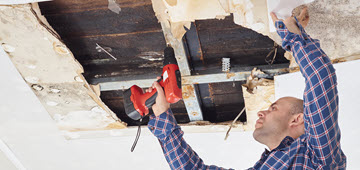
  • Moisture issues inside your property. You might first observe indoor leaks from the ceiling after a large amount of rainfall, leading to either minor drips or major puddles. Moisture issues can also take the form of corrosion of your HVAC system or electrical components inside your ceiling. Mold growth, water stains, and unusual humidity levels are additional indicators that your roof isn’t doing its job.
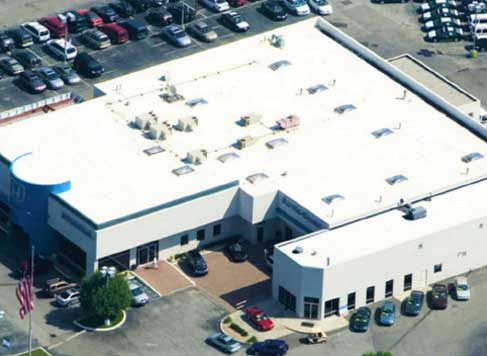
  • Sagging or dipping on your flat roof. If your commercial property is equipped with a flat roof, then dips and sags are going to cause problems when they become filled with standing water. If you put off dealing with these inconsistencies, your roof’s membrane will quickly deteriorate and begin to allow water through.
  • Bubbling on the roof. Bubbling is an often-overlooked symptom of a faulty roof because it can only be noticed while standing on top of the roof. Moisture build-up causes bubbling and can compromise the roof beyond repair, requiring costly replacement.
  • Damaged or dislodged flashing. Flashing can be damaged over time by severe weather conditions, especially if its initial installment is not done properly. As flashing contributes to the integrity of your roof, sealing it off from water and debris, flashing issues can result in big problems for your roof and the need for repair.
  • Clogged downspouts. Are you puzzled to see that very little water is exiting your downspouts after a heavy rain? Unfortunately, clogged downspouts are a clear signal that you have a moisture problem elsewhere on your roof.
  • Old and worn out roofing materials. While a high-quality, professionally installed roof should last for many years, no roof has an unlimited lifespan. If your roof is nearing its end and is obviously worn out, there’s no reason to wait to repair or replace it. Doing so will not only protect the inside of your property but also have a positive impact on the appearance of your storefront or factory.

Still Unsure if You’re in Need of Roof Repair?

Many indicators of roof damage can’t be seen from the ground, and may not even be noticed by an untrained eye up close. That’s why it’s always best to contact a professional roofing contractor if you have any inkling that there might be an issue with your roof, or if you simply want confirmation that everything’s okay upstairs. After all, getting your roof regularly inspected is essential to spotting small problems before they become big, and costly, repairs.

Get started with roof repair in Jacksonville today. Just call AMW Contracting at 904-725-4197 for details about our full range of commercial roofing services. 

Commercial Contracting Services in Jacksonville: Our Commitment to You

At AMW Contracting, we’re a commercial contractor 100% committed to delivering high-quality commercial contracting services in Jacksonville. Our aim is to ensure our customers are totally satisfied with the work that we do from start to finish. 

When you contact us, you won’t end up having to deal with a frustrating call service. Reach out to us at any time and you’ll always find one of our helpful representatives ready to support you, whether you’re dealing with disastrous damage and need emergency repairs or you’re planning an exciting renovation.

Take a look below for details about what makes us one of the most trusted commercial contracting services in Jacksonville.

How We Maintain Quality Every Step of the Way

As a business owner, your commercial property is an incredibly important part of your entire operation. Not only do you need to be sure it maintains its integrity from day to day, but you also need to plan for natural disasters and other unexpected events that could otherwise bring business operations to a halt.

No matter what types of commercial contracting services in Jacksonville you’re looking for, you can rely on us to offer a full range of services that keep your building in tip-top shape. Here are just a few of the things that set us apart from others in the industry:

  • We work directly with our clients. We’re not a call center that passes projects on to a sub-contractor. Instead, we offer personalized services designed to fit within your budget and help you save precious time. Best of all, you can reach us 24/7 with confidence that we’ll be ready to meet your needs.
  • We build our schedule around your business. We understand that you simply don’t have time for disruptions at your business. We arrive on time and complete work on schedule with as few disruptions as possible to your normal operations. Whether you need us to work around the clock or overnight, you can be certain that we’ll get the job done right.
  • We offer a wide range of commercial contracting services in Jacksonville. We’re a one-stop-shop for renovations and remodeling, serving businesses across a large number of industries. When you choose to partner with us, you won’t have to worry about coordinating multiple teams to get everything done on time. Instead, you can focus on running your business while we take care of making your property the best it can be.

What Our Satisfied Customers Have to Say

It’s this commitment to quality and customer satisfaction that has our customers shouting from their beautiful new rooftops about our services. We’re proud to have played a role in helping businesses in our community continue to succeed even through difficult situations such as storm damage and intensive renovations.

Take a look at what some of our customers are saying:

“Quality roofing is a very important aspect of my day to day business. There’s not much news that puts a heavier damper on my day than a tenant complaining about a leaking roof. But thankfully our company has depended on AMW for more than 20 years. Whether it’s having to speak directly to Ken concerning new roofing projects or having Alan repair existing structures, I never worry about the roofs on our properties.”
– Cardinal Management, LLC

“Everything was completed on time and they did a great job on keeping everything cleaned up at the end of each day. Highly recommend!”
– J. Caswell 

“Simply put, don’t bother calling anyone else. Regardless of the time of day, they are ready to help with any emergency, and the quality of work is amazing. They provide professional reports with before and after photos and a great warranty. Perfect! Just Perfect!”
– D. Rife

If you’re in need of commercial contracting services in Jacksonville, choose the company that focuses on quality and customer satisfaction above all else. Give AMW Contracting a call today at 904-725-4197 to get started with a free estimate

Commercial Roofing Jacksonville: What to Know When Choosing a Contractor

When searching for a commercial roofing contractor in Jacksonville, you’ll quickly realize that not all roofing contractors are the same. In order to ensure you’re working with professionals, it’s crucial to keep some key factors in mind.

Qualities of a Top-Notch Commercial Roofing Contractor

If this is your first time looking for a company who does commercial roofing in Jacksonville, you may be wondering how to narrow down your search. Use these tips as a guide for selecting a contractor who will safely and reliably install a new roof that will provide peace of mind for years to come:

  1. Only seek out contractors who are licensed and certified. Any contractor you consider should be able to provide evidence of up-to-date paperwork and licensing, including proof of insurance, worker’s compensation, and liability coverage. Be sure to get a copy of these documents, and don’t hesitate to get in touch with the insurance carrier directly to confirm that all of the documents you’ve been shown are completely legitimate.
  2. Find a local contractor who has experience with roofs of all types. Some commercial roofing services specialize in one specific type of roof, while others are capable of installing and maintaining a range of roof types. Avoid having to hire more than one company to get the job done by researching the contractor’s experience with your roof type and the specific project you need them to complete. They should be able to show you a portfolio containing several projects of a similar nature to yours.
  3. Choose a contractor who can provide plenty of referrals. You’ll have much more confidence when making your decision if you can speak to other business owners who have worked with the roofing contractor and are satisfied with their results. As it’s important that their specific experience is relevant to yours, ask the contractor for referrals from those who’ve had work completed recently and who have a similar building style and budget. Take this opportunity to ask about the professionalism of the staff, including any communication issues they may have had to navigate.
  4. Select a contractor with a great reputation on multiple platforms. Contacting references is a great start to finding a contractor who’s going to do a solid job on your roof. However, you’ll want to dig deeper than that to ensure you’re getting the full picture of their work history. Take the time to look online to be sure there haven’t been any significant complaints about the company. You can also reach out to organizations such as the Better Business Bureau for additional information about the contractor’s current standing.
  5. Only proceed with a contractor if they have the patience to thoroughly answer your questions. You deserve to have all of your questions and concerns addressed before you sign a contract for services. If you feel rushed by the contractor or have lingering questions they have difficulty answering, it’s best to move on with your search until you find a commercial roofing company that gives you complete confidence.

For trustworthy commercial roofing in Jacksonville, look to AMW Contracting. Give us a call today at 904-725-4197 to learn more about what makes us one of the leading commercial roofing and facilities management companies in the local area.

Looking for Building Services in Jacksonville? Choose AMW Contracting

If you need a building services contractor to manage a project at your commercial property, it’s important to find a trustworthy company that offers a broad spectrum of services. At AMW Contracting in Jacksonville, we have experience with building services ranging from commercial roofing and emergency storm repair to health violation remediation and structural pest resolution. 

We know that it’s key for business owners to connect with professionals who are committed to quality and maintain a personalized approach to each and every project. Read on to learn more about what to expect from our building services in Jacksonville.

Meeting Your Needs with Our Building Services

With AMW Contracting as your building services contractor, you’ll have access to our professional team who is prepared to take care of any project at your commercial property. Whether you’re looking for help with minor repairs or are interested in conducting a full renovation of your facility, you can expect to be completely satisfied with the results we provide.

In addition to commercial contracting services for a number of diverse industries, we also offer building maintenance services that keep your property in tip-top shape. As we work behind the scenes, you can focus on daily business operations while having confidence that we’re giving your facility the attention it needs to remain in good condition for years to come.

Building Services for Emergency Storm Repair

Unfortunately, not all of your building maintenance needs can be planned for in advance. Sometimes, unexpected events happen. If you’re ever faced with damage brought on by a natural disaster, we offer emergency services to get your business back in operation as soon as possible. 

You can rely on us to follow strict procedures as we work, including documenting the project step-by-step so that you have evidence of all the changes we’ve made. We can also assist you by taking the necessary steps to protect your facility from future storms and harsh weather conditions.

Building Services for Health Violation Remediation

As a business owner, you know how to market products and services that keep your customers coming back for more. However, you may not be as familiar with the ins and outs of local health codes and other regulations you need to follow to continue running your business. That’s where AMW Contracting comes in. Our experienced technicians offer health violation remediation services to prepare your property for inspections and help you avoid a costly shutdown that could result from code violations.

Additional Services Offered

Of course, our range of services doesn’t stop there. Here are just a few of the other needs we can meet:

  • Structural Pest Resolution. We eliminate rodents, insects, and other pests in a safe, cost-effective manner.
  • Interior & Exterior Painting. Need painters who can get the job done quickly and discreetly? We’ll deliver an updated look, minus the hassle.
  • Mill Work. From doors and wall paneling to molding and trim, we can both design and install custom millwork that fits your decorative vision.
  • Specialty Cleaning. Sometimes you need more than conventional cleaning products and methods to take care of a real mess. Our professional tools and specialty cleaning experts can handle cleaning requirements for commercial kitchens and industrial facilities, as well as terminal clearing and above-ceiling cleaning needs.

We’re committed to providing you with professional building services in Jacksonville. Contact AMW Contracting today at 904-725-4197 to learn more about how we can make a difference at your business facility. Click here to get a free estimate of our services.